
BS 5839-1:2025: How Standards are Changing for Fire Alarms for Businesses
The UK’s principal fire alarm standard for non-domestic premises has been significantly updated. BS 5839-1:2025 is now in force, replacing the 2017 edition and bringing with it a host of important changes that affect system design, maintenance, and – crucially – legal responsibilities.
Whether you manage a care home, oversee a school, or operate as a letting agent, this new standard demands your attention.
What Is BS 5839-1:2025?
BS 5839-1 is the British Standard (British Standard Institution,) that outlines new fire alarm standards for businesses with a code of practice for the design, installation, commissioning, and maintenance in non-domestic premises. The 2025 revision reflects evolving fire safety practices and considers the lessons learned from fire investigations and real-world incidents.
According to the Fire Protection Association (FPA), this updated standard includes:
- Greater emphasis on system design and documentation
- Stronger obligations for duty holders
- Clearer guidance for temporary disablements
- Improved alignment with other fire safety legislation, such as the Regulatory Reform (Fire Safety) Order 2005
What New Fire Alarm Regulations Are Covered Under the New Standard?
BS 5839-1:2025 applies to all non-domestic buildings and outlines how fire detection and alarm systems must function. The systems may include:
- Manual call points (break-glass units)
- Smoke, heat, and multi-sensor detectors
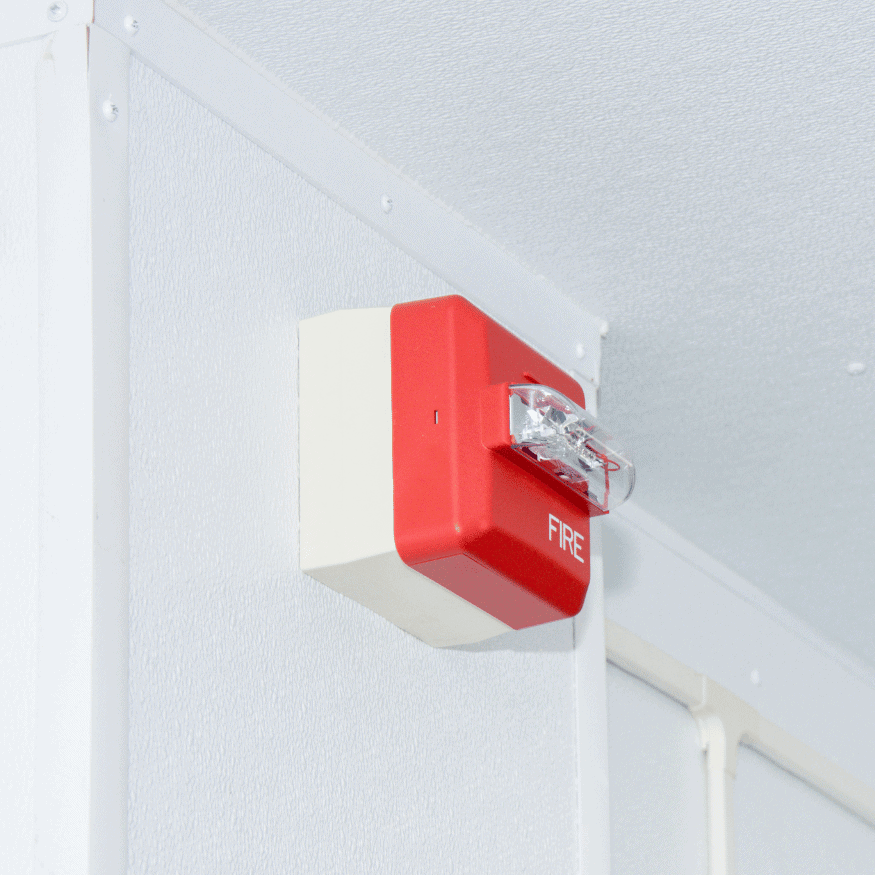
- Fire alarm sounders and visual warning devices
- Interlinked control and indication panels
- Integration with smoke ventilation systems
- Activation of automatic door releases
- Gas or oil supply shutdown mechanisms
- Lift grounding and recall during fire events
These measures are critical to life safety and property protection – and now they come with updated technical and legal expectations.
Why This Matters to You
This isn’t just a technical revision, it’s a reshaping of how fire alarm responsibilities are shared and enforced. Key stakeholders in different sectors now have clearer obligations and more robust compliance frameworks to follow.
Let’s explore what this means for different sectors:
Care Homes: Enhanced Clarity and Responsibility
In environments with vulnerable residents, fire safety must reflect the needs of occupants who may have mobility challenges or cognitive impairments. The revised standard now mandates:
- Alarm audibility standards for bedrooms
- Documented and readily accessible maintenance records
- Staff training aligned to the new system protocols
- Guidance on the safe temporary disconnection of devices during care activities
These updates are especially critical in regulated care settings, where duty of care extends to emergency preparedness.
Schools: Adapting to New Compliance Standards
Educational institutions must now show more proactive risk management when it comes to fire detection and evacuation planning. Updates include:
- Formal risk assessments as a foundation for system design
- Detailed planning for coordinated evacuations, especially in SEND contexts
- Improved documentation of fire drills and maintenance routines
- Clearer zoning guidance for multi-building or large campus environments
In short, fire safety in schools must now be more tailored, structured, and clearly evidenced.
Letting Agents: Greater Legal and Practical Accountability
For letting agents and property managers, BS 5839-1:2025 sharpens the focus on legal compliance and operational diligence:
- Routine alarm testing and accurate logbook maintenance are mandatory
- Landlords must be supported in meeting their responsibilities
- Alarm audibility and system coverage must meet the latest technical expectations
- Fire risk assessments must align with BS 5839-1:2025
- Any disablement of fire alarm components must be justified and formally documented
This places increased emphasis on active oversight and documented procedures – not just reactive maintenance.
Fire Safety For Businesses: How to Stay Compliant
BS 5839-1:2025 is now the benchmark for fire alarm systems in the UK’s non-domestic buildings. Failing to comply could result in legal penalties – and more seriously, endanger lives. To stay on the right side of the law and protect occupants:
- Review your current fire alarm systems against the new standard
- Update your fire risk assessments accordingly
- Train your staff on the new system features and procedures
- Partner with a BAFE-accredited provider to ensure ongoing compliance and professional support
For organisations across sectors, BS 5839-1:2025 is more than a standard, it’s a renewed call to prioritise fire safety with the seriousness it deserves.